
🍃 What “First Harvest” Really Means
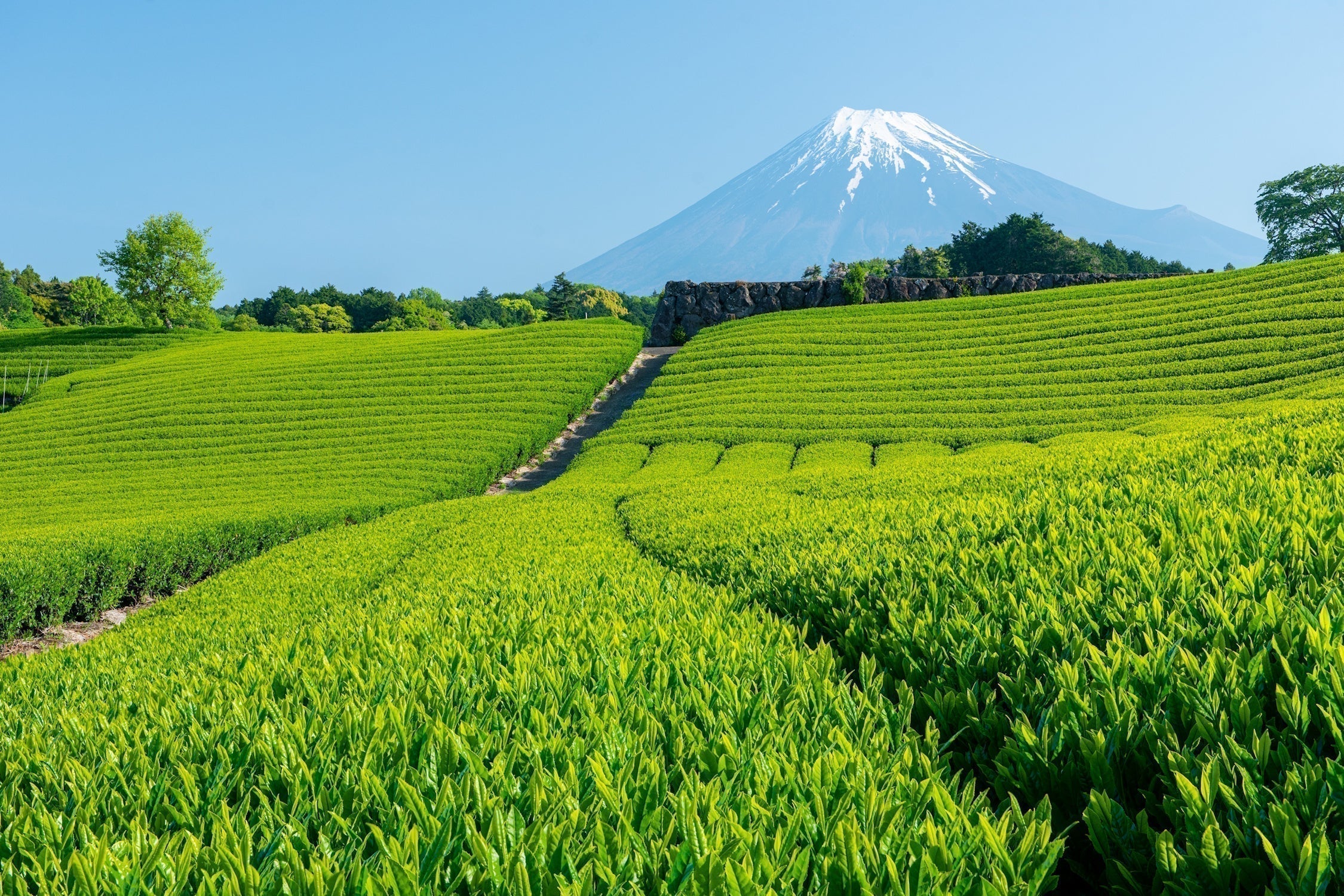
In Japan, First Harvest Matcha — known as Ichiban-cha (一番茶) — marks the very first picking of tea leaves each spring, typically between late April and early May.
Unlike later harvests, these leaves have been shade-grown for three to four weeks, boosting chlorophyll and amino acid levels, which gives matcha its intense colour and umami depth.
That’s why first-harvest matcha is so special:
-
Vibrant emerald hue
-
Naturally sweet, velvety taste
-
Smooth, low-bitterness finish
-
Rich in antioxidants (especially EGCG)
This is the harvest that defines the ceremonial-grade quality Satori is known for.
🌦️ The 2025 Harvest: Smaller, But More Intense
This year’s first harvest brought beauty and challenge across Japan’s tea-growing regions.
Lower Yields Due to Unpredictable Weather
Cooler temperatures and irregular spring rainfall led to a 15–25% drop in yield in regions like Shizuoka, Yame, and Uji.
Early buds matured unevenly, which meant fewer leaves suitable for shading and stone-grinding into premium matcha.
Quality Remains Exceptional
Despite the smaller volume, the leaves that did make it to harvest are exceptional in taste and aroma.
Growers in Yame and Uji reported longer shading periods — which concentrated sweetness and boosted umami.
The result? Less matcha, but more flavourful matcha.
Why Matcha Prices Are Rising in 2025
Matcha lovers around the world may notice a modest price increase this season — and it’s not just inflation.
Several intertwined factors are shaping 2025’s pricing:
-
Smaller harvest = less supply
-
Higher global demand for ceremonial grades
-
Rising energy and export costs
-
Sustainability practices — many farms are shifting toward organic and carbon-neutral methods
Reports from Japanese tea auctions indicate that first-harvest matcha prices have increased by roughly 10–20% compared to last year.
At Satori, we’re absorbing part of this rise to keep our premium blends accessible — without compromising on authenticity or traceability.

Caption: “Nature’s rhythm — smaller harvests, stronger flavour.”
🌏 What This Means for You
-
Smaller Harvests, Limited Supply
First harvest 2025 matcha is rarer — so restocks may take longer and quantities may be smaller. -
Deeper, Creamier Flavour Profiles
Extended shading this year has created matcha that’s creamier, nuttier, and more umami-rich than past years. -
Slight Price Adjustments
Expect small changes across ceremonial and premium lines. Each tin reflects its true first-flush origin and craftsmanship. -
Transparency Above All
Choose matcha brands that disclose harvest dates, regions, and farms — so you know you’re getting genuine first-harvest ceremonial matcha.
🍵 How Satori Is Navigating the 2025 Season
Our matcha comes directly from Yame (Koha Matcha) and Shizuoka (Hana Matcha) — two regions renowned for purity and precision.
This year, we’ve worked closely with our growers to ensure:
-
Fresh first-flush batches from early May harvests
-
Traditional stone-grinding methods for freshness
-
Stable supply secured through direct-trade relationships
Even in a challenging harvest year, our goal is unchanged — to bring you true ceremonial-grade matcha, grown with care and intention.
🌸 Looking Ahead
The 2025 matcha harvest is a reminder that nature always leads the way.
Smaller yields don’t mean lesser quality — they often mean more concentrated flavour, more care, and more respect for the process.
Satori Takeaway:
Every harvest tells a story. The 2025 story is one of patience, adaptation, and purity — and we’re honoured to share it with you in every whisked bowl.
🛍️ Experience the First Harvest 2025 Collection
Explore Satori’s new-season offerings:
-
🍃 Hana Matcha (Shizuoka) – balanced, smooth, sweet
-
🍃 Koha Matcha (Yame) – nutty, rich, bold
-
🍂 Mori Hōjicha – comforting roasted depth