
Matcha Myths Debunked: Separating Fact from Fiction
Matcha has captured the hearts of tea enthusiasts around the world, celebrated for its vibrant hue, rich flavor, and touted health benefits. Yet, with its rise to global prominence, numerous misconceptions about this cherished tea have emerged. Let us explore and debunk some of the most common myths about matcha, uncovering the truths that make it such a remarkable beverage.

Myth 1: Matcha is Caffeine-Free
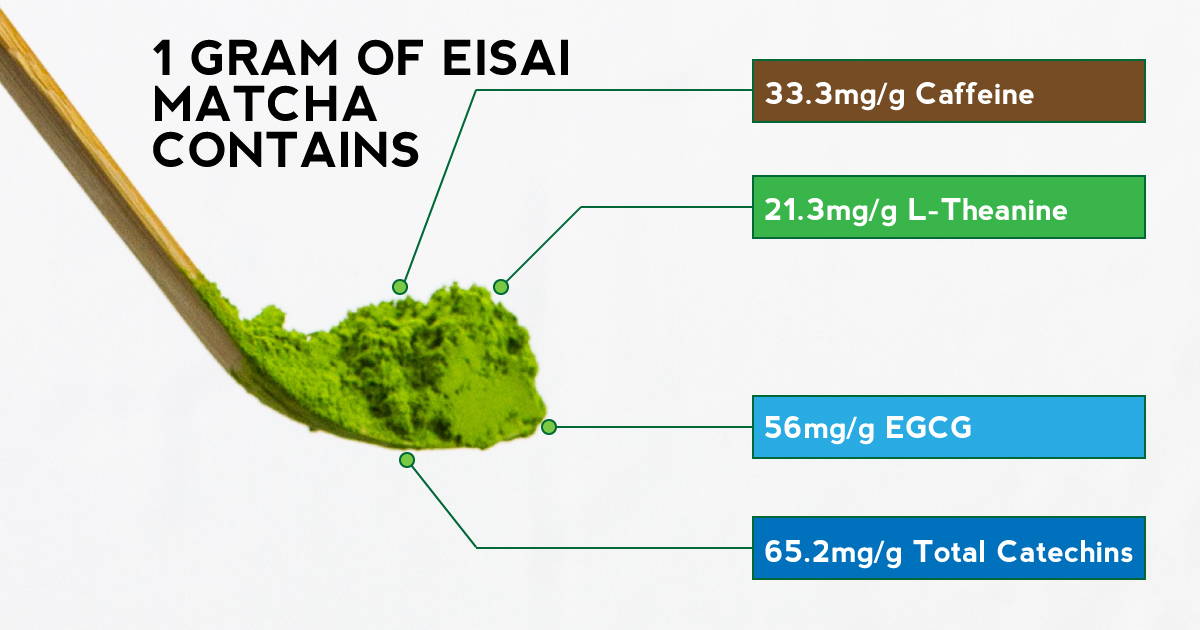
The Truth: Matcha contains caffeine, but its effects are distinct from those of coffee.
Matcha is often thought to be caffeine-free, perhaps due to its association with relaxation and Zen practices. However, matcha does contain caffeine—roughly 35-70 milligrams per serving, depending on the quality and amount used. What sets matcha apart is the presence of L-theanine, an amino acid that tempers the effects of caffeine, promoting calmness and focus. This unique combination provides a sustained energy boost without the jitters often associated with coffee.
Myth 2: All Matcha Is the Same
The Truth: The quality of matcha varies based on its grade and production.
Not all matcha is created equal. Ceremonial-grade matcha, made from the youngest tea leaves, is revered for its vibrant color and smooth, umami-rich flavor, making it ideal for traditional tea preparation. Culinary-grade matcha, while more affordable, is intended for recipes like lattes, desserts, and smoothies. Understanding these distinctions can enhance your appreciation of matcha and ensure you select the right type for your needs.

Myth 3: Matcha Is a Guaranteed Health Miracle
The Truth: While matcha is packed with nutrients, its benefits depend on how it’s consumed.
Matcha’s reputation as a health elixir is well-earned, thanks to its antioxidants and potential metabolic benefits. However, not all matcha products deliver these advantages. Pre-made matcha lattes and snacks often contain high levels of sugar and artificial additives. To enjoy matcha’s true benefits, opt for pure, high-quality matcha powder and prepare it yourself. This ensures you’re savoring its authentic health-boosting properties.

Myth 4: Matcha Guarantees Instant Weight Loss
The Truth: Matcha can support a healthy lifestyle, but it’s no quick fix.
Matcha contains catechins, compounds linked to metabolism and fat oxidation. While it can play a role in weight management, drinking matcha alone won’t lead to significant weight loss. Incorporate matcha into a balanced diet and active lifestyle to maximize its potential as part of your wellness routine.
Myth 5: Matcha Tastes the Same as Green Tea
The Truth: Matcha’s flavor is more concentrated and complex.
While both matcha and green tea come from the same plant, their preparation sets them apart. Matcha is made by grinding shade-grown tea leaves into a fine powder, resulting in an earthy, umami-rich flavor that is both robust and nuanced. Green tea, which is steeped and strained, has a lighter, more delicate taste. This distinction makes matcha a unique sensory experience.

Myth 6: Drinking More Matcha Is Always Better
The Truth: Moderation enhances matcha’s benefits.
Matcha is a powerful beverage, rich in nutrients and caffeine. However, overconsumption can lead to unwanted side effects, such as digestive discomfort or caffeine sensitivity. One to two servings a day are sufficient to enjoy its benefits without overloading your system. Savoring matcha in moderation ensures a balanced approach to this exceptional tea.
Honoring Matcha’s Legacy
Matcha’s journey from ancient tea fields to modern-day cafes is a testament to its enduring appeal. By debunking these myths, we not only deepen our understanding of matcha but also celebrate its rich history and cultural significance. Each sip is an opportunity to connect with centuries of tradition, mindfulness, and an appreciation for the beauty of simplicity.
Whether you’re a seasoned enthusiast or new to matcha, remember that every cup carries a story—a story steeped in respect, craftsmanship, and a timeless dedication to harmony.